
Imagine handing your landlord $300,000, living in his house for two years without ever making a rent payment, and then getting the full $300,000 back when you move out.
Did you just live there for free?
Millions of renters in South Korea would tell you no. Under Korea’s jeonse rental system, that is exactly how a lease works: Instead of monthly rent, the tenant hands over a lump-sum deposit — typically 50% to 80% of the property’s value — and receives it back in full at the end of the lease. In the meantime, the landlord invests the deposit and the tenant’s real cost is forgoing the investment returns he could have earned on that money himself.
If that $300,000 could have earned, say, 4% a year, the housing really costs about $12,000 annually, even though no rent check is ever written. Economists call this “opportunity cost”: the value of what is given up in choosing one alternative over another. In the jeonse structure, that usually “unseen” cost sits in plain view of every Korean renter.
Now consider the U.S. Social Security system, in which the opportunity cost is every bit as real but is much more concealed.
We break down this hidden cost of social security in this week’s commentary.
– Kyle Wingfield
Friday’s Freshest 🗞️

If school choice advocates want these programs to last, they should demand better outcome reporting. The current state of scattered outcome reporting across the country is not sufficient to judge the success of universal eligibility, but there are a number of valuable pieces already available.
Elections to the Supreme Court of Georgia have been nonpartisan since 1983, when the judicial system was modernized during an overhaul of the state constitution. Yet, this year’s race bore all the hallmarks of a partisan battle, complete with high-profile endorsements from former President Barack Obama on one side and Governor Brian Kemp on the other.
Gov. Kemp signed legislation that will streamline Georgia’s building permit process. Senate Bill 447, authored by Sen. Clint Dixon (R-Gwinnett), is designed to tighten Georgia’s existing 45-day timeframe for local governments to review building permit applications and to create clear application criteria for all parties involved, both local governments and developers.
On the governor’s final day to sign or veto legislation from this year’s session, the long wait for legislators and lobbyists finally ended. Just not in the way many would have hoped. Then, before the ink was even dry on the session’s final documents, Gov. Brian Kemp announced a special legislative session to convene on June 17.
Peach Picks 🍑
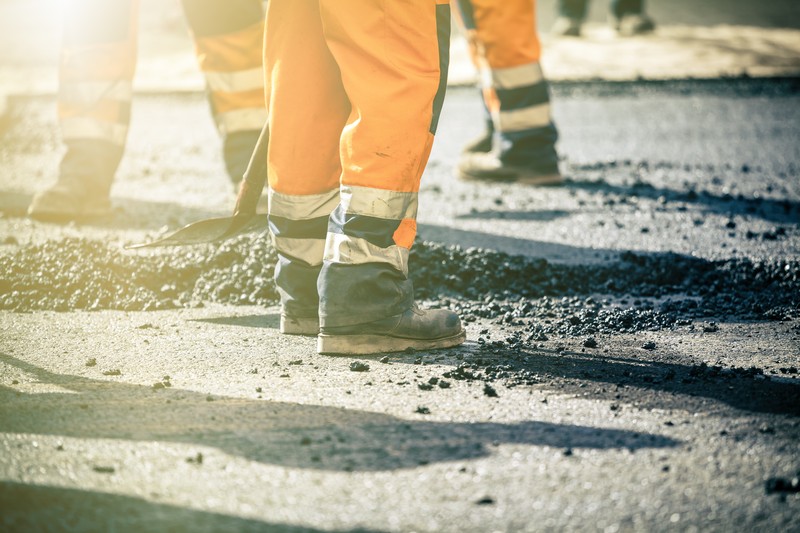
Gov. Kemp and the State Road and Tollway Authority (SRTA) Board of Directors approved $26 million in funding for Georgia Transportation Infrastructure Bank (GTIB) grants and low-interest loans that will support 20 transportation roadway projects and 2 regional airport hangar projects.
Gov. Kemp announced that Rideout Arsenal, a firearms designer and manufacturer, is investing $22 million in a new manufacturing facility in Thomasville, creating 120 new jobs over the next several years. Currently based in the United States, Rideout Arsenal specializes in high-performance, high-end competition pistols.
Georgia high school students planning to forgo college and enter high-demand career fields can gain real-world experience before graduation through a new diploma approved by the State Board of Education. The Work-Based Learning Diploma still requires 23 credit hours for graduation, but also offers a Career, Technical and Agricultural Education pathway, known as CTAE, according to the Georgia Department of Education.
As the 2026 FIFA World Cup gears up in Atlanta, law enforcement from around the state will be on hand to help the Atlanta Police Department ensure people’s safety. On top of managing hundreds of thousands of visitors expected for the tournament, Atlanta police will have to maintain the same level of service the agency provides to the city’s 245 neighborhoods.
Renovations at the Port of Savannah’s Ocean Terminal have passed the halfway mark. The nearly $1.6 billion project will allow the 200-acre facility to grow its annual container capacity from 200,000 twenty-foot equivalent container units to 1.75 million TEUs.
Note: Runoff early voting is underway through today (Friday, June 12.)
Featured Video 🎥
In this video, we explain why Georgia’s physician shortage persists, how the current licensing system created an unnecessary bottleneck, and what the new Senate Bill 427 changes.
Quote of the Week 🌟
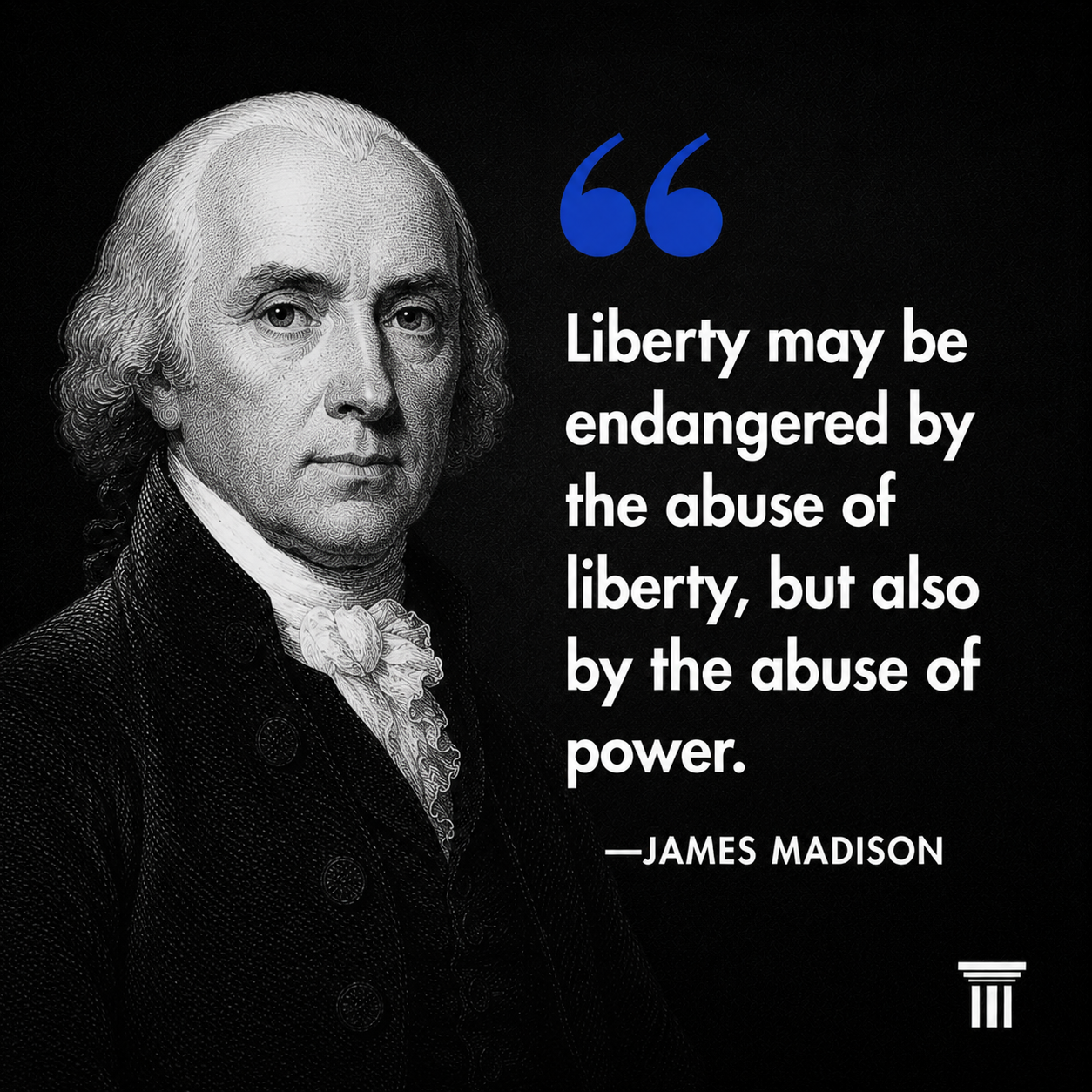
James Madison’s warning remains as relevant today as it was at the founding: “Liberty may be endangered by the abuse of liberty, but also by the abuse of power.” In a free society, liberty requires responsibility from citizens and restraint from government. When government grows beyond its proper role, even with good intentions, it can weaken the institutions and habits that make self-government possible.
That is why sound public policy matters. Low taxes, limited regulation, educational freedom and accountable government are not abstract ideals. They are practical safeguards for families, workers, entrepreneurs and communities. They leave more decisions in the hands of individuals, where they belong.
At the Georgia Public Policy Foundation, we believe the best way to protect liberty is to keep power close to the people and encourage personal responsibility.

More Commentary
The Three Constitutional Amendments on Georgia’s 2026 Ballot
To Tackle Affordability, Georgia’s Next Governor Should Start With Cutting Red Tape
Guide to the Issues 2026: Thirty years after the first edition