
Millions of Americans now use AI every day, at home and on the job. Yet much of the public debate treats the technology as a gift to the rich and a threat to everyone else: Data centers will drive up our bills, the story goes, and robots will take our jobs.
But the history of technological innovation paints a different picture.
As Milton and Rose Friedman observed, the wealthy of ancient Greece would have gained little from modern plumbing because they already had servants to carry their water. From one innovation to the next, the real winners have most often been ordinary people.
Today, AI works the same way. The wealthy have long had chefs, gardeners and researchers at their disposal, and a chatbot now offers a version of that help to anyone with a smartphone.
Read from Ella Dawson of the Foundation for Economic Education about how AI benefits ordinary people in this week’s commentary.
– Kyle Wingfield
Friday’s Freshest 🗞️

Critics ask why Georgia should spend $100 million on Promise Scholarships when it set aside only $70 million for literacy coaches. But the state spends roughly $140 on public schools for every dollar it spends on Promise, and both programs are aimed at the same struggling readers.
Previously, we examined how data centers use water and electricity, but another factor in data center development is land use, including what goes into decisions about where data centers are built, how sites are developed and how they affect surrounding properties. This piece examines how much land data centers use and the zoning requirements for them as well.
Since an ordinary law cannot override the state constitution, Georgians are often asked to vote on constitutional amendments when they enter the voting booth in November. In this article, we take a look at the three constitutional amendments on the ballot in Georgia this year.
Georgia voters will choose a new governor, lieutenant governor and every state legislator this November, and many of those officials will face issues beyond the platforms that got them elected. The Foundation’s 2026 Guide to the Issues, marking 30 years since the first edition, offers recommendations on nine key issues for new leaders and voters alike.
Peach Picks 🍑

Gov. Kemp announced he is extending a state of emergency due to global market volatility and the corresponding suspension of the state’s motor fuel excise tax through November 30. With gas and diesel prices remaining high, this action is aimed at providing relief for Georgians through the Thanksgiving holiday travel period.
Gov. Kemp announced that Audi will open its first U.S. manufacturing facility in the State of Georgia. Headquartered in Ingolstadt, Germany, Audi plans to invest approximately $4 billion in a state-of-the-art manufacturing facility at the Middle Georgia Megasite, delivering approximately 4,500 new jobs to middle Georgia.
The DeKalb County School District this week released its latest proposal for reducing overcrowding in schools in the northern part of the district and is seeking community feedback. The school board is expected to make a decision about how to proceed in December, with changes going into effect as early as fall 2027.
After years of steep increases in the cost of auto insurance, millions of Georgia policies are getting a price break. Dozens of insurance companies have received approval to lower rates, affecting 3.6 million policies and amounting to an estimated $500 million reduction in insurance costs this year.
Mitsubishi Power is investing $490 million to expand its Pooler manufacturing plant, adding 220 jobs and 450,000 square feet as demand grows for the gas turbines produced at the facility. The expansion was announced during a press conference Friday at Mitsubishi’s Savannah Machinery Works.
Featured Publication📊

Georgia Pathways to Coverage, Gov. Brian Kemp’s alternative to full Medicaid expansion under the Affordable Care Act, is set to expire at the end of 2026. The Georgia Department of Community Health (DCH) announced a proposed extension in August 2026, asking the federal government to raise its share of Pathways costs from about 67%, the state’s traditional Medicaid match, to 90%.
This policy brief examines the current data and costs associated with Georgia Medicaid and provides an analysis of the landscape moving forward.
In the Media🌟
In a story featured on Yahoo News, Kevin Mahnken of The 74 examined what this year’s governor’s races could mean for schools in Georgia and six other states. Foundation Director of Communications Athan Clark pointed to an under-discussed issue in Georgia’s race: the Promise Scholarship. “The biggest obstacle to education progress in Georgia is legislative politics, not money,” Clark said.
Quote of the Week🌟
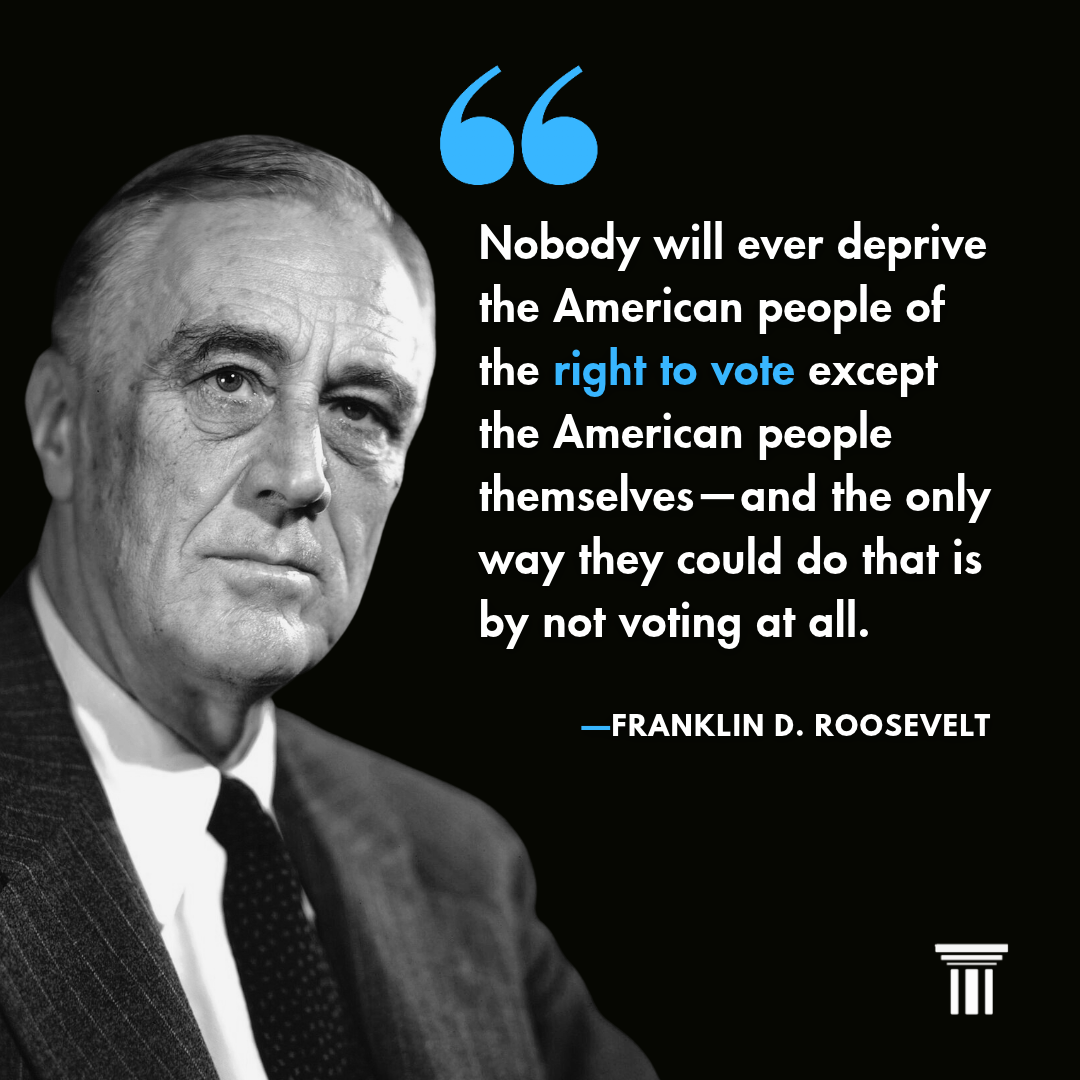
Franklin D. Roosevelt said this in 1944, when Americans had every reason to wonder whether a nation at war could still hold a free election. It did.
His point holds today. No one can take away our right to choose our leaders, except us, by staying home.
On Tuesday, Nov. 3, Georgians will pick a new governor and lieutenant governor and fill every seat in the General Assembly. Those choices will shape Georgia’s schools, taxes and economy long after the votes are counted.
More Commentary
Who’s Afraid of AI?
Literacy or Promise Scholarships? Georgia Doesn’t Have to Choose
The Three Constitutional Amendments on Georgia’s 2026 Ballot