
It seems every year adds a bit of national political rancor to our more agreeable state. The Georgia General Assembly in particular has remained both more civil and—no coincidence—more productive than the United States Congress, though that too has ebbed over time.
Georgia’s more constructive way of doing legislative business is important to preserve. And here’s another federal import we need to avoid: D.C.-style math.
This year’s session was dominated by a pair of tax debates: one over income taxes and one concerning property taxes. Both began with proposals that were very ambitious; some might have called them unrealistic. But by the time the finish line was in sight, lawmakers had whittled each down to a fiscally responsible plan for slowing the growth of tax revenues at both the state level (regarding the income tax) and among local governments (property tax).
Yet, the opposition to each plan featured the common complaint that each amounted to “cutting” revenues–i.e., the ability to spend more taxpayer dollars–year over year well into the future. Only in Washington, D.C., could anyone believe that was true.
Read more in this week’s commentary.
– Kyle Wingfield
Friday’s Freshest 🗞️

While a great deal of focus on education policy in Georgia has revolved around school choice policies and education finance, there are significant changes taking place inside the classroom as well. Georgia has joined several states in addressing early literacy, that fundamental period for students that typically begins around age 5.
With most Americans recently submitting their income tax filings, it’s an opportune time to review where exactly those tax dollars go in the federal budget these days. Spoiler: It’s mostly going to our entitlement programs, Social Security, Medicare and Medicaid. But what should also be alarming is how much tax revenue is being used at this point just to pay interest on the national debt.
Ronald Reagan reportedly once observed to his chief of staff James Baker, “I’d rather get 80% of what I want than go over the cliff with my flags flying.” But with the business of the General Assembly likely concluded until 2027, the 2026 legislative session may be defined by its missed opportunities, both in the final version of the bills passed and in those that didn’t make it across the finish line.
If you’ve spent any time scrolling through social media or watching the evening news lately, you’ve likely heard a familiar villain blamed for the skyrocketing cost of housing in Georgia: the “institutional investor.” But if housing affordability is one of your concerns, the “investor” issue is a distraction.
Georgia is one of many states that has recently begun to look critically at its growing regulatory code. Lawmakers, business leaders and policy advocates have pointed out how regulations enacted by unelected bureaucrats in the executive branch have placed an unnecessary burden on the state’s workers and industries.
Peach Picks 🍑
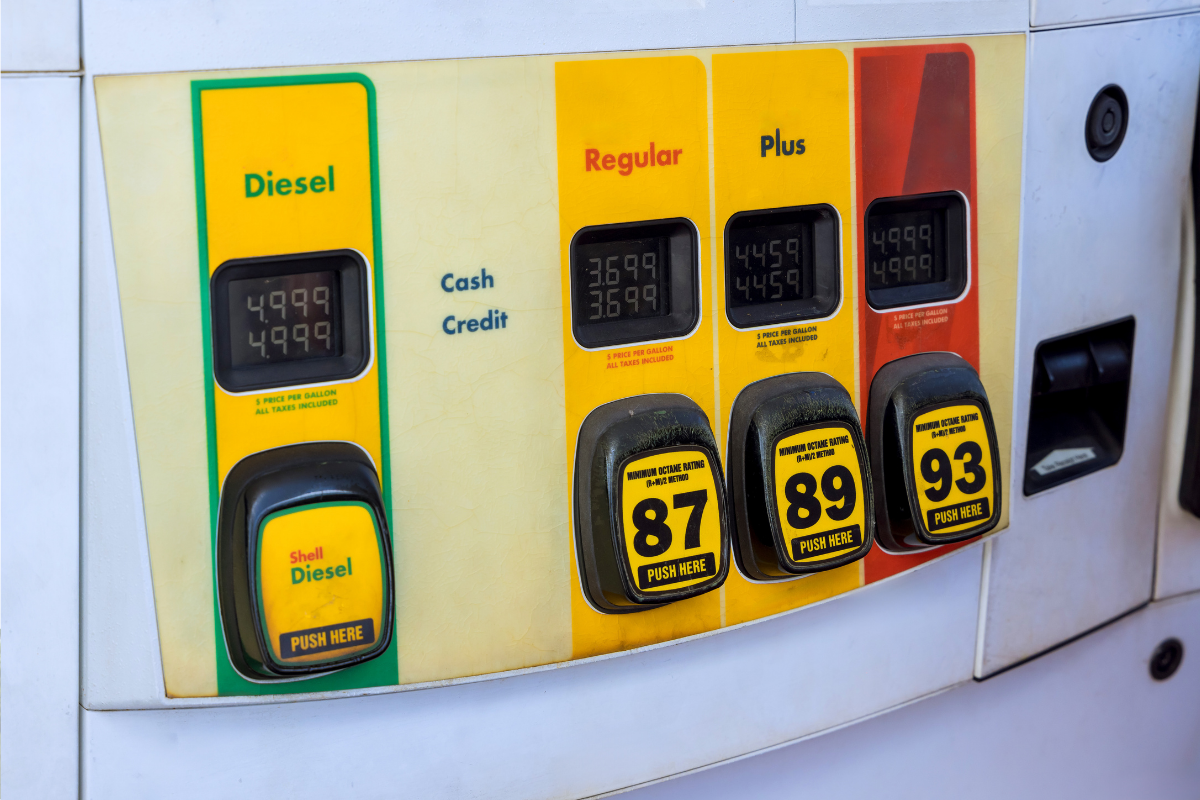
Gas prices are climbing again across Georgia, adding more pressure to drivers already dealing with higher costs at the pump. The statewide average is hovering around $3.74 to $3.75 per gallon, according to AAA and GasBuddy, marking a sharp increase of more than 19 cents in just one week and more than 80 cents compared to this time last year.
Officials battling two large wildfires that have destroyed dozens of homes in southern Georgia warned Tuesday that firefighters are bracing for a prolonged battle even after weekend rains gave a big boost to containment efforts. “A little bit of rain is going to help us, but it’s not going to get us out of this situation,” Gov. Kemp told a news conference after touring the fire areas Tuesday. “We’re going to be in this for a while.”
Though signs of its impending closure were all around this past weekend, the New Black Wall Street Market was having one last hurrah. On Saturday, during what was termed the “Customer Appreciation Blowout Sale,” a DJ played oldies while thanking shoppers for coming by the Stonecrest bazaar.
Atlanta-based Southern Co., the parent of Georgia Power, saw its profits rise slightly to start 2026 compared with last year, as a surge of energy-hungry data centers into Georgia and neighboring states continues. Southern — which also owns Alabama Power, Mississippi Power and Atlanta Gas Light, plus other gas distributors and wholesale electricity companies — earned $1.36 billion in the first three months of 2026, up 1.65% compared with the same period last year.
Tax cuts coexisted with higher spending on education and health care when Democrats running for governor laid out their positions this week. At a debate hosted by the Atlanta Press Club and aired by Georgia Public Broadcasting on Monday, as early voters headed to the polls, several candidates said they would address affordability by changing Georgia taxes.
Featured Video 🎥
Quote of the Week 🌟
One More Fact 💡
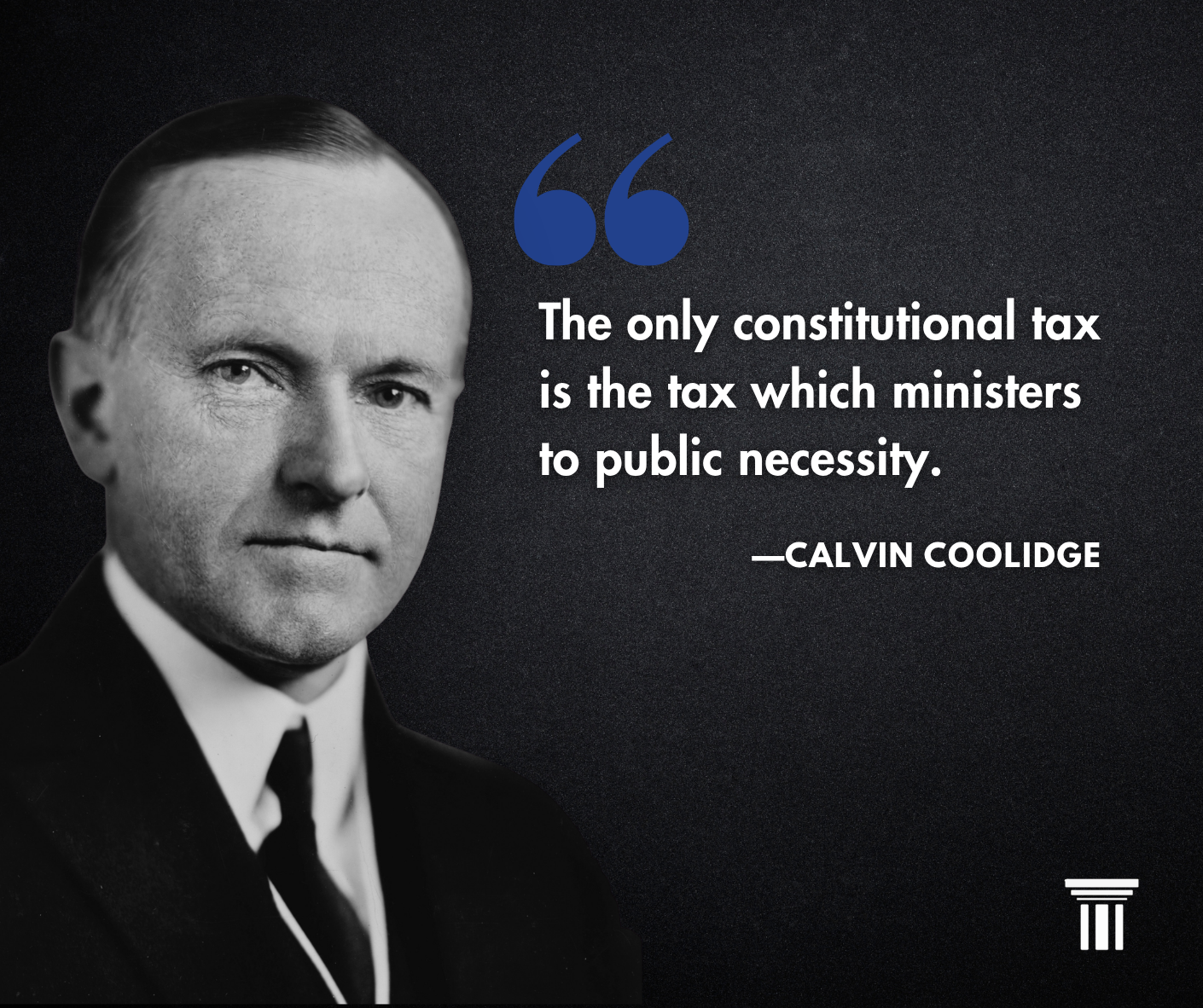
Calvin Coolidge, the 30th president of the United States, is often remembered for his quiet leadership, fiscal restraint and belief in limited government. During his presidency, Coolidge reduced federal spending, paid down the national debt and supported tax cuts that reflected his view that prosperity is best advanced when citizens, families and businesses are given room to flourish.
That perspective still resonates today. At a time when many policy debates focus on what government should do next, Coolidge’s example is a reminder that restraint can be a virtue in public life. Good government does not mean government doing everything; it means government doing its proper work well, while leaving space for free people to build, work, serve and thrive.

More Commentary
To Tackle Affordability, Georgia’s Next Governor Should Start With Cutting Red Tape
Guide to the Issues 2026: Thirty years after the first edition
The Lesson Nikole Hannah-Jones Didn’t Mean to Teach