
Labor Day is the one holiday built entirely around work. We ironically mark it with a day off, but the underlying idea is serious: Americans decided a long time ago that showing up and doing a job deserves recognition.
Georgia has more people showing up than ever. The state has averaged roughly a million new residents per decade, and they are not just coming for the weather. They are coming because Georgia has spent decades building a competitive economy that rewards honest labor.
The total value of that paycheck, though, is not determined by the employer alone. There are also necessities like paying taxes, what it costs to live near the job, the barrier to entry for work, and the cost of healthcare when someone in the family gets sick.
We take a look at five key questions for Labor Day in this week’s commentary.
– Kyle Wingfield
Friday’s Freshest 🗞️

Dolly Parton’s Georgia roots run deep, as does her contribution to improving childhood literacy. Her greatest legacy is the literacy fight she leaves unfinished. Her Imagination Library, the free-book program she started to honor her illiterate father, has grown from one Tennessee county into a 300-million-book global initiative before her death. This fight continues here in Georgia as 62% of third graders aren’t reading proficiently, but the state’s new Georgia Early Literacy Act of 2026 is aimed at closing that gap.
Arkansas billed its Medicaid expansion as the conservative alternative, using federal dollars to buy private insurance for able-bodied adults instead of enrolling them in traditional Medicaid. But the experiment produced steep cost overruns and no improvement in the state’s health outcomes.
Much of the data center pushback focuses on water consumption, but this is overblown. But a closer look at these concerns shows that some of the loudest objections do not survive contact with the numbers.
Most people are probably aware that where they receive their healthcare affects the price. But perhaps less intuitive is that the payment can change depending on who owns the healthcare facility.
Peach Picks 🍑

A new data center from Open AI could cut county property tax bills significantly, an Effingham County official said, but some residents said they didn’t feel as if the tax breaks would outweigh any detrimental effects of the facility. Dubbed Project Camilla, the 1,400-acre, 3.2-gigawatt data center will be completed in phases beginning in 2028 and 2032, OpenAI said on its website.
Gov. Kemp announced a new record in Fiscal Year 2026 with roughly $35.2 billion in project investments. From July 1, 2025, to June 30 of this year, the Global Commerce team supported 436 expansions by Georgia businesses and new company locations across the state.
An upcoming pay cut for some nurses at Grady Health System is prompting outrage online and providing a window into how Georgia’s largest safety-net hospital is weathering major policy changes in Washington. For weeks, nurses have railed on social media about the upcoming cuts to block pay — the extra hourly rate paid for certain high-demand nursing positions during the height of COVID-19.
The Affordable Care Act health insurance program that covers 900,000 Georgians is on track to see price hikes of as much as 20% or more when open enrollment begins this fall for 2027 coverage. That’s according to state data obtained by the Georgia Recorder for the ACA exchange run by the state and called Georgia Access.
Those looking to voice opinions on the proposed tax increase for Macon-Bibb County property owners will have another opportunity to do so. Though the millage rate adoption was on the Macon-Bibb County Commissioners’ agenda for its meeting on Tuesday, Sept. 1, the item was removed because the county failed to meet the legal requirements for public hearings, county spokesperson Chris Floore said.
In the Media 📺
Foundation Policy Analyst J. Thomas Perdue spoke with The Daily Signal about the implications and consequences of pushing a moratorium on data centers in Georgia. Perdue stated that data centers are necessary, but they also need to be transparent about the impacts they will have on the community, stressing that stakeholders need a clear understanding of the facts and the services data centers provide so they don’t fall for common misconceptions.
Featured Report 📊

As Georgia decides whether to renominate its Opportunity Zones or pick new ones, a Keystone Strategy analysis in partnership with the Foundation suggests sticking with what’s already working ways off more than starting over.
Quote of the Week 🌟
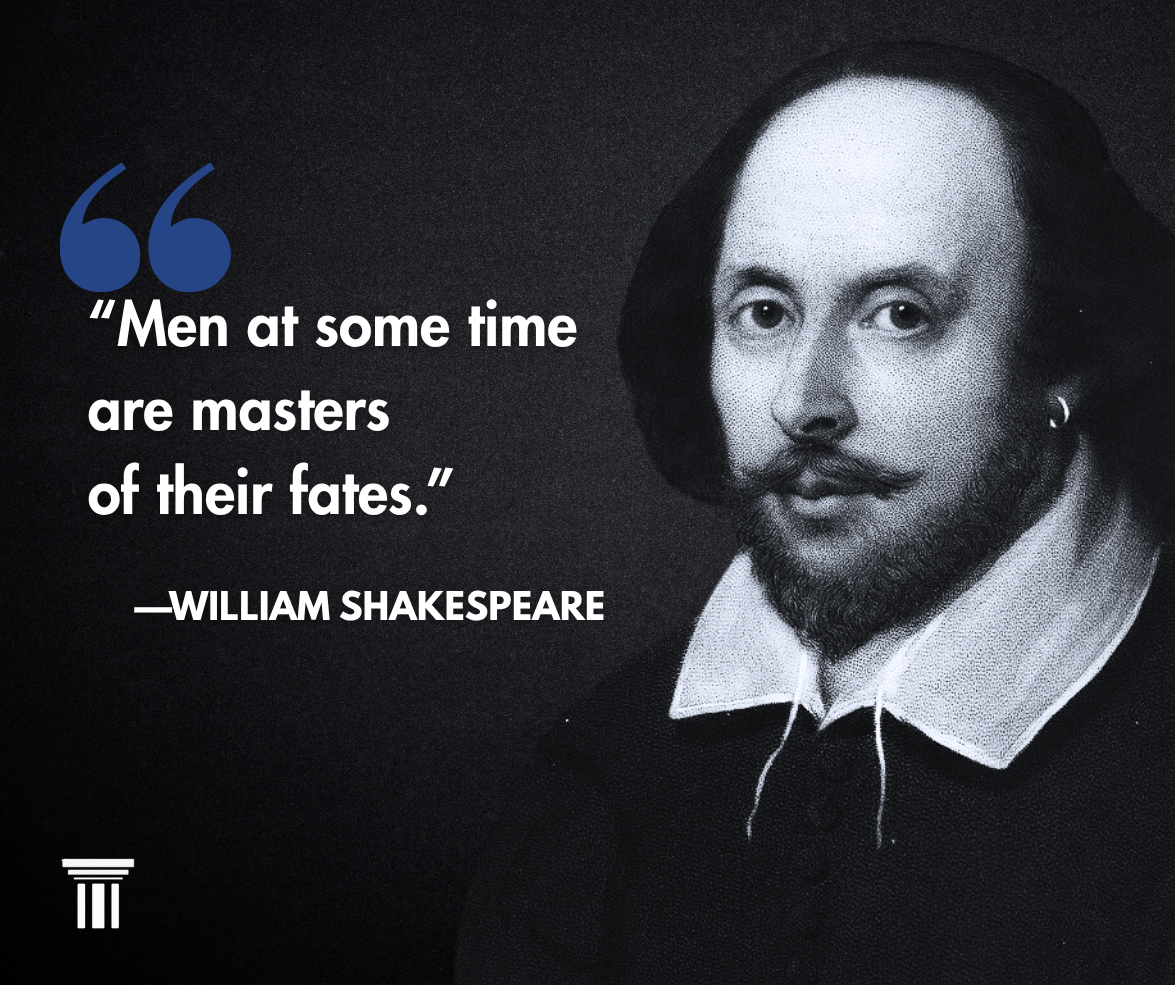
“Men at some time are masters of their fates.”
Shakespeare gives the line to Cassius in Julius Caesar, but its underlying truth reaches far beyond the play. It is a reminder that while circumstances influence our lives, they do not determine them. Our choices, habits, effort and judgment matter.
That idea is central to both personal responsibility and a free society. Freedom means having the opportunity to make meaningful choices, but it also means accepting responsibility for those choices. Government can protect rights, enforce the rule of law and remove unnecessary barriers, but it cannot make every decision for us or guarantee every outcome.
Good public policy should leave people with the most freedom to work, build, save, take risks, recover from mistakes and pursue opportunity.
A healthy society trusts people with that responsibility. It recognizes that individuals are not merely shaped by circumstances. They also have the power and the obligation to shape their own futures.

More Commentary
Literacy or Promise Scholarships? Georgia Doesn’t Have to Choose
The Three Constitutional Amendments on Georgia’s 2026 Ballot
To Tackle Affordability, Georgia’s Next Governor Should Start With Cutting Red Tape