
As more families search for alternatives to traditional education, microschools are emerging as one of the most promising and parent-empowered solutions.
Blending the best aspects of homeschooling, private education and small-group learning, microschools offer a flexible, personalized and values-aligned approach that puts students—and families—at the center. Whether you’re exploring options for the first time or looking to understand how microschools work, this guide will walk you through the basics, answer common questions and help you decide if a microschool is right for your child.
1️⃣ What Is a Microschool?
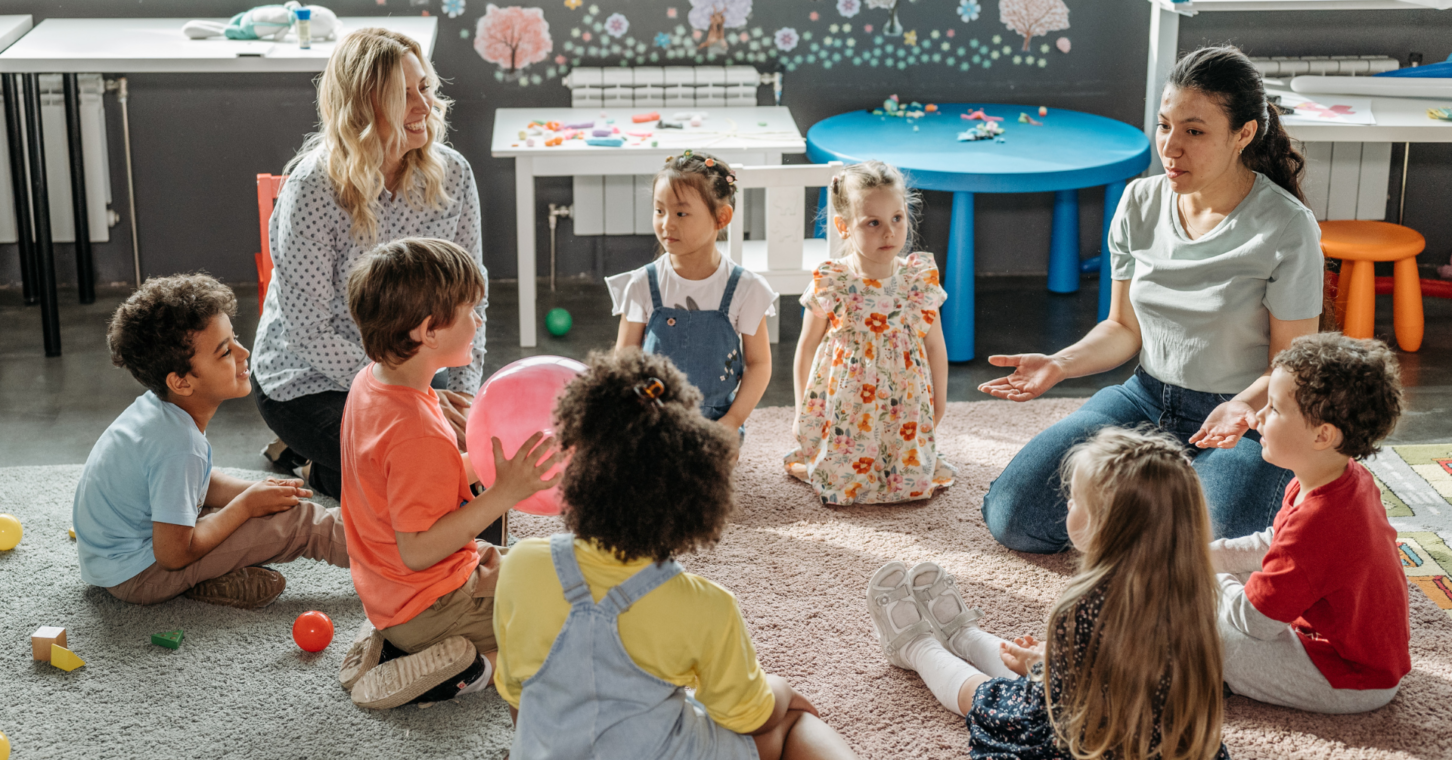
Microschools are small, community-based learning environments designed to bring education closer to home—and closer to the student.
Typically serving fewer than 20 students, microschools prioritize:
- Personalized learning
- Flexible instruction
- Values-based education
They often emphasize mastery of core concepts, hands-on projects, and real-world skills rather than rigid testing or bureaucratic mandates.
Some microschools are led by experienced teachers, while others are parent-run or use a hybrid approach. But all share one core belief:
Education should be student-centered, not system-centered.
2️⃣ Why Are Families Choosing Microschools?
More parents are rethinking education—and with good reason. Concerns continue to rise over:
- Overcrowded classrooms
- School safety and bullying
- Politicized or ideologically driven content
- Inflexible school calendars and testing
- A one-size-fits-all curriculum
Microschools offer an alternative that’s more responsive to your child’s needs:
✅ Small class sizes and more individual attention
✅ Customized curriculum tailored to each learner
✅ Freedom to incorporate faith or family values
✅ Escape from state mandates and red tape
✅ A more direct role for parents in shaping education
Families are discovering they don’t have to settle. Microschools let them choose purpose over politics.
3️⃣ How Are Microschools Different?
| Feature | Traditional School | Microschool |
|---|---|---|
| Class Size | 20–30+ students | 5–10 students |
| Curriculum | Standardized, state-set | Personalized, often thematic |
| Learning Pace | Same pace for all students | Mastery-based, student-paced |
| Teacher Role | Assigned by system | Selected by parents/founders |
| Parent Involvement | Minimal | Central and active |
| Learning Environment | Bureaucratic, institutional | Home-like, flexible, local |
Microschools are education reimagined—from compliance to community.
4️⃣ What legal protections do microschools have?
The Learning Pods Protection Act formally defines “learning pods” in state law and ensures they are treated as voluntary parent-led educational groups—not as schools or child‑care centers—with broad exemptions from regulation.
- Definition & Scope: A “learning pod” is a voluntary association of parents grouping their children (K–12) at various times, before/after school or to supplement remote learning, regardless of whether parents pay for services.
- Exemptions from Regulation: Learning pods are exempt from virtually all state, local, and school-system regulations, including: staff certification, staffing ratios, daycare licensing, building/fire codes and institutional operational rules.
- Preserved Legal Obligations: Despite broad exemptions, pods must still comply with general laws like civil rights statutes, insurance mandates, safety obligations and rules preventing unlawful activity.
- Protections Against Oversight & Discrimination: The law forbids any site inspections or investigations initiated solely because of a pod’s presence. And school districts cannot discriminate against students or parents for pod participation, and no entity may require pods to register or report.
5️⃣ Is a Microschool Right for My Family?
Ask yourself:
- Do you want more involvement in your child’s education?
- Are you seeking a faith-based, classical, or values-aligned learning model?
- Is your child struggling in traditional classrooms?
- Are you concerned about curriculum transparency?
- Do you believe education is a parental right, not a government monopoly?
If you answered “yes” to any of these, a microschool could be exactly what your family is looking for.
Microschools combine the strengths of homeschooling and private education—without the isolation or the high cost.
6️⃣ How the Georgia Promise Scholarship Helps
For many families, cost is the biggest barrier to accessing education options. The Georgia Promise Scholarship aims to change that.
This new program provides eligible families with up to $6,500 per year for approved education expenses—including homeschooling, tutoring, curriculum, and microschool tuition.
That means real freedom to choose the path that works best for your child, not just the one assigned by your zip code.
Learn more about eligibility and the application timeline here.
7️⃣ What to Do Next
✅ Explore Your Options
Search for local microschools, homeschool collaboratives, or start a learning pod. Social media groups and local community networks are a great place to start.
✅ Know Your Rights
Georgia law gives families broad flexibility in choosing how their children are educated. Familiarize yourself with your legal options and responsibilities.
✅ Connect With Us
We’re here to help. The Georgia Public Policy Foundation is committed to empowering families, advancing education freedom, and supporting your right to choose what’s best for your child.