
This November, Georgia voters will elect a new governor for the first time in eight years, a new lieutenant governor and every member of the General Assembly, many of whom will have only a few years of legislative experience. That is a great deal of new leadership arriving at once, and those officials will quickly face decisions on issues beyond the platforms that got them elected.
That is where the Georgia Public Policy Foundation’s 2026 Guide to the Issuescomes in. Its nine chapters cover housing, taxes, healthcare, Medicaid, K-12 education, technology and innovation, regulatory reform, tort reform and workforce freedom. Each issue page explains where Georgia stands and offers recommendations grounded in limited government, individual responsibility and free enterprise.
The Guide serves as a briefing book for Georgia’s next leaders, and it is just as useful for voters: With early voting about to begin, Georgians can use it to weigh candidates’ promises and ask how they plan to deliver.
Read about the newest Guide to the Issues in this week’s commentary.
– Kyle Wingfield- Kyle Wingfield
Friday’s Freshest 🗞️

An eye-opening recent essay in The New York Times Magazine offers proof of the power of choice, particularly for education.
Data centers power many of the services Georgians rely on every day, from banking and medical records to emergency communications. Rather than restricting their growth, Georgia’s challenge is to manage it responsibly.
Georgia has averaged roughly a million new residents per decade, drawn by an economy that rewards showing up and doing the work, but what a paycheck is worth isn’t set by the employer alone. Here are five key questions that show where Georgia still has room to improve.
Arkansas billed its Medicaid expansion as the conservative alternative, using federal dollars to buy private insurance for able-bodied adults instead of enrolling them in traditional Medicaid. But the experiment produced steep cost overruns and no improvement in the state’s health outcomes.
Peach Picks 🍑
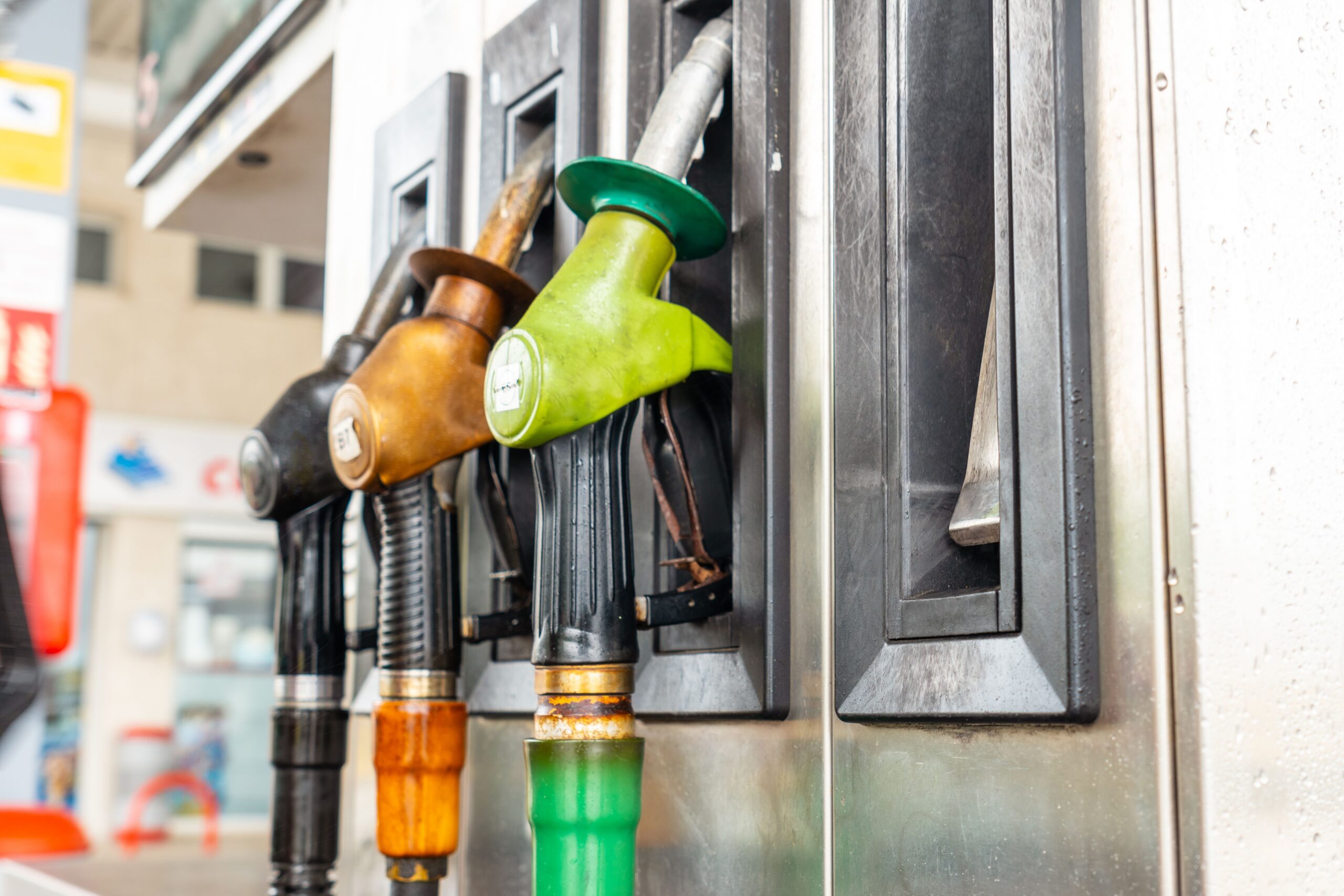
Gov. Kemp suspended the state’s diesel and fuel taxes beginning Tuesday, as the average cost for a regular gallon of gasoline reached $4.19 on Monday. This is the second time this year that Kemp has suspended fuel taxes amid rising prices due to the conflict in Iran.
Drive-thru restaurants are now allowed in one of Smyrna’s pedestrian-friendly zoning districts despite pushback from some residents.Smyrna’s council approved the change, which allows drive-thrus in a pedestrian-friendly area called a mixed use zoning district.
Gov. Kemp announced that Mayville Engineering Company (MEC) plans to create approximately 140 new jobs and invest an estimated $26 million over the next several years to establish a new metal fabrication facility in McDuffie County. MEC is a U.S.-based company that provides a wide range of services, including prototyping and tooling, production fabrication, aluminum extrusion, coating, assembly, and aftermarket support.
Atlanta Watershed commissioner outlines plan to recover portion of $236 million in unpaid water bills. City Council members pressed the department on specific accounts that have racked up substantial unpaid balances.
On Friday, the Georgia Department of Community Affairs announced federal grants totaling $40.9 million to 42 communities across the state. The U.S. Department of Housing and Urban Development allocates these funds annually to Georgia’s Community Development Block Grant program, which is administered by DCA.
Featured Chart📊
The Georgia Public Policy Foundation’s goal for this Guide to the Issues is to provide a compilation of commonsense policies upon which Georgia’s elected officials can base laws, ordinances, rules and regulations without fear of partisan influence. The policies proposed are based on facts and the principles of limited government, individual responsibility and free enterprise. They support an approach that reinforces policy over politics.
Quote of the Week 🌟
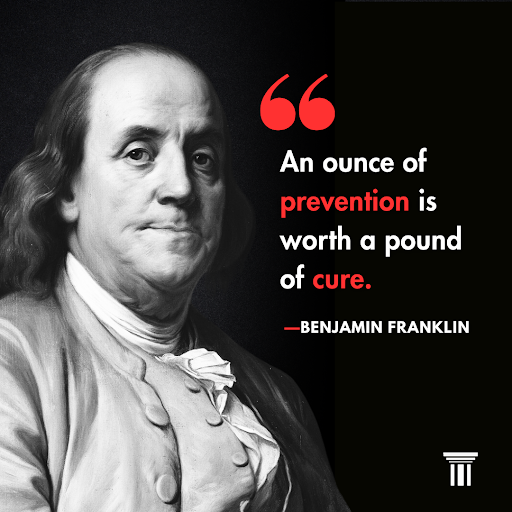
Benjamin Franklin’s famous advice, “An ounce of prevention is worth a pound of cure,” applies to more than fires and medicine. It is also a useful principle for public policy.
Good policy often means identifying problems early, removing barriers before they become crises and creating incentives that reduce the need for costly fixes later. Whether the issue is education, healthcare, infrastructure or economic growth, prevention usually requires less money, less disruption and less government intervention than repairing damage after the fact.
Policymakers cannot anticipate every problem, but they can build systems that reward responsibility, encourage flexibility and make future crises less likely.

More Commentary
The Three Constitutional Amendments on Georgia’s 2026 Ballot
To Tackle Affordability, Georgia’s Next Governor Should Start With Cutting Red Tape
Guide to the Issues 2026: Thirty years after the first edition