
Public schools served 1.2 million fewer students in 2022-23 than they did in the last year before the COVID-19 pandemic. Those same schools are projected to lose an additional 2.4 million students, or 4.9% of their enrollment, by 2031.
Now, many school districts face a fiscal reality they can no longer avoid. Not only has enrollment declined, but federal stimulus money that temporarily cushioned budgets during the pandemic is gone. At the same time, inflation has driven up costs for everything from utilities to staff salaries.
The result is that districts must either cut staff or consolidate schools to survive.
The math is unavoidable. When a district operates dozens of schools that are half empty, the inefficiency is enormous. Each of those buildings still requires utilities, custodial staff, administrators, and maintenance, even if classrooms sit vacant. Staffing models are built around buildings, not just students, so underutilized schools demand principals, assistant principals, clerical support and security. In many places, the system is paying a premium for every child simply because so much of the infrastructure is being wasted.
During the pandemic, many districts added staff to help with learning recovery, often supported by federal relief dollars. But those funds were never meant to be permanent. Without them, districts are left carrying payroll obligations they can no longer afford. Between 2020 and 2022, nonfederal revenue per student rose by almost $1,500, but once inflation is factored in, the real increase was closer to $55 per student. That tiny margin is nowhere near enough to sustain the staffing expansions of recent years.
This is where consolidation becomes the most logical path forward. Closing under-enrolled schools and reassigning students can free up millions of dollars. Research suggests that shuttering one out of every 15 schools in a district can reduce spending by roughly 4%. The savings primarily come from eliminating redundant administrative and facility costs, not by cutting classroom teachers. That means consolidation, if handled properly, can preserve or even enhance instructional quality while protecting district finances.
There are also educational benefits that are too often overlooked. Larger, consolidated schools can offer a wider range of courses and activities. While some parents might like smaller schools, when they are operating at half capacity they often struggle to provide Advanced Placement courses, arts programs or specialized support services. By pooling resources, districts can give students access to a richer curriculum and more extracurricular opportunities than would be possible if schools remained fragmented. For students, that can mean more options and stronger preparation for college or careers.
None of this is to say consolidation is easy. Parents and communities are deeply attached to their local schools, as we witness any time consolidation is mentioned. These buildings are more than classrooms; they are community hubs, sources of identity and pride. When a closure is announced, families often see it as an attack on their neighborhood. Practical concerns compound the resistance—longer bus rides, changes to childcare routines and fear of crowded classrooms all spark opposition.
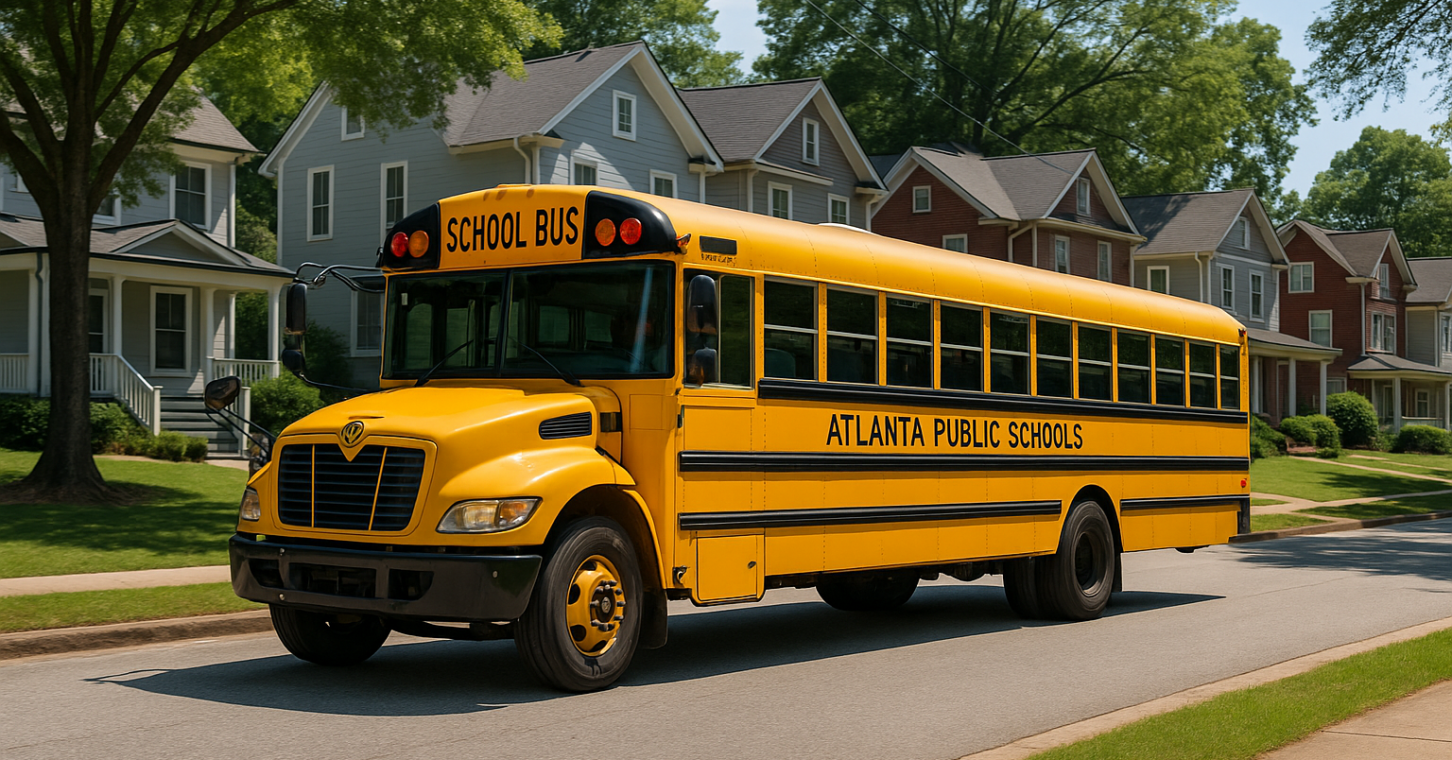
Which brings us to Atlanta. The school district is going through the process of closing or repurposing a number of schools due to underenrollment. Officials said APS is operating at a capacity of 70,000 students, but enrollment in traditional public school enrollment is just under 39,000. There is a need. This will provide cost savings and increase efficiencies if done correctly.
But the immediate local reactions? Rally opposition to any proposed changes as soon as a proposal is released.
That is why the process matters as much as the outcome. Districts that engage families early, share data openly and provide multiple options for feedback stand a much better chance of earning buy-in. Giving families meaningful choice in where their children attend after a closure can soften the disruption. Phasing in changes over time rather than springing them suddenly allows communities to adapt. And leaders must be prepared to show exactly how consolidation will free up resources to improve student experiences elsewhere in the system.
The alternative, continuing to fund dozens of underused schools, comes with its own costs and they are borne by students. Money locked up in maintaining half-empty facilities cannot be spent on teachers, textbooks, technology or support staff. Left unchecked, inefficiencies eventually force layoffs and program cuts that erode educational quality. In many districts, the choice is not between change and stability, but between proactive consolidation now or crisis-driven cuts later.
By consolidating, districts can stabilize finances, redirect resources to classrooms and build schools that offer more robust opportunities for children. The politics are difficult, but that’s politics. The fiscal and educational logic is clear.
In the end, the debate is not really about buildings, it is about priorities. Do we preserve every facility for the sake of sentiment, or do we focus on ensuring that every child has access to the best teachers and programs we can afford? The hard truth is that consolidation, managed thoughtfully and fairly, is the responsible choice for districts that want to remain strong in the years ahead.