
Georgians are facing a hard truth about housing: when government ties up supply, prices soar. Homeownership slips further out of reach, rents climb and workers are pushed farther from their jobs. The Foundation’s recent report confirms the depth of the problem, finding an estimated shortage of over 365,000 homes across the state, and warns that demand is far outpacing new construction.
The question, then, is what to do about it.
Cut Housing Red Tape
The American Enterprise Institute’s Strong Foundations playbook offers an answer: cut the red tape. Instead of layering on new rules or subsidies, lawmakers should simplify the process and let builders build.
AEI’s guiding theme is blunt—the more complex the rules, the harder it is to build. The simpler the rules, the more homes Georgians can afford. That starts with smaller lots.
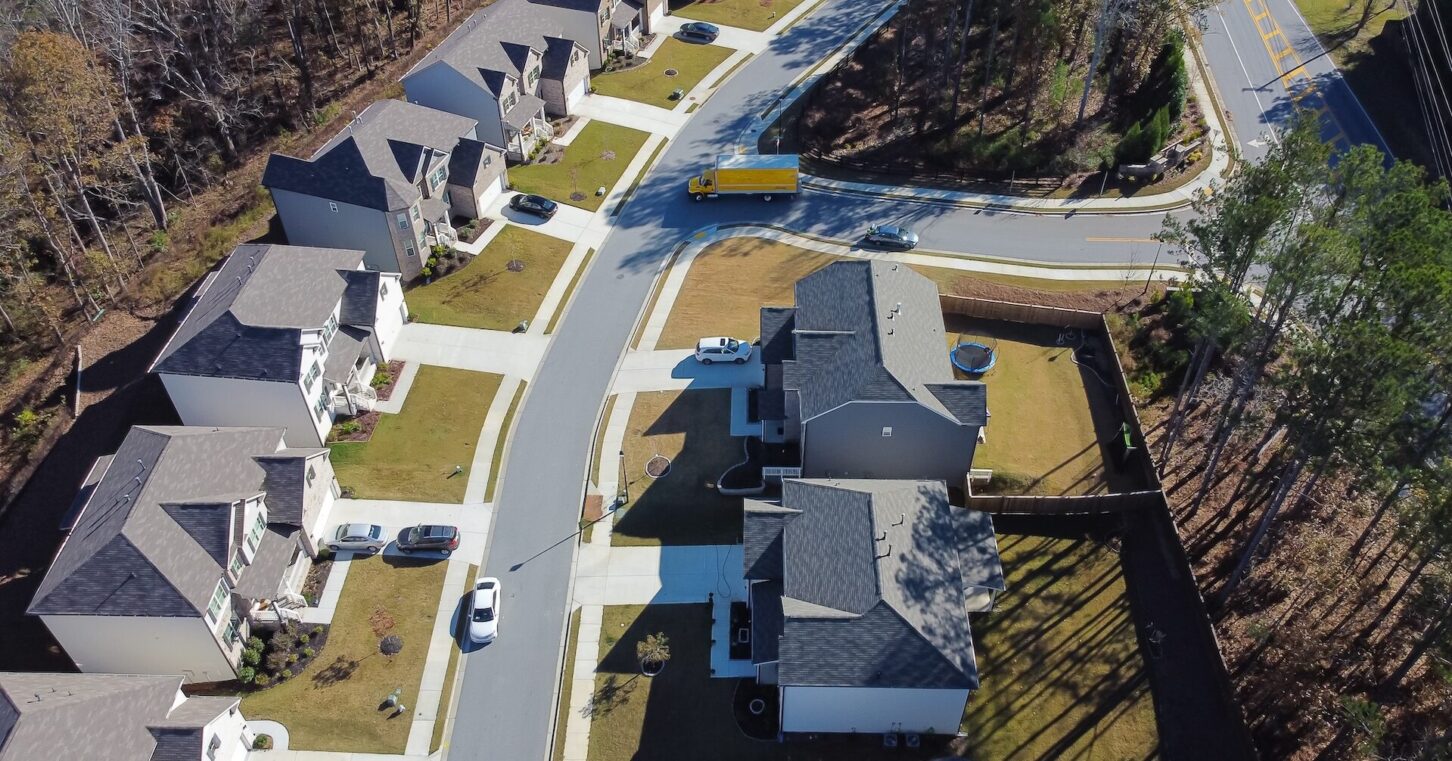
Today, many communities mandate oversized parcels that inflate prices and shut out first-time buyers. AEI recommends allowing lots as small as 1,200 square feet. That one change alone could unleash thousands of starter homes and townhouses. Georgia’s counties and cities have a wide range of lot and home size minimums, as we detailed in this 2023 report.
Speed matters too. Cities should adopt permitting “shot clocks” that require approvals within a set time or allow third-party reviews. Every month a project sits idle, money is lost and families are left waiting.
Zoning codes also need an overhaul. Outdated setback rules, floor-area ratios and height caps keep costs high and limit variety. Georgia should clean them up and encourage pre-approved design templates for backyard cottages and accessory dwelling units (ADUs). This would give builders and homeowners more clarity and confidence.
But instead of clearing these obstacles, too many lawmakers reach for micromanagement.
They layer on rules that sound reasonable in isolation but kill projects in practice. Spot upzoning, for example, rewards a few politically connected owners while leaving most neighborhoods locked down. Subsidies make for nice ribbon-cuttings, but they’re slow, expensive, corruption-prone, and they do not meet the scale of demand. Inclusionary zoning inflates rents on market-rate units while shrinking profitability for builders. Permit caps choke supply outright. Rent control drives developers away entirely. Mandates for open space, owner-occupancy or prevailing wages for small projects all pile on costs until construction is impossible.
Each of these rules lets politicians claim they “did something.” But the practical effect is fewer homes and higher prices. The Foundation’s research underscores the point, as Georgia residential building permits dropped by 52% from the 2000s to the 2010s. Population growth did not slow, but new construction collapsed.
That production gap is the clearest explanation for today’s affordability crisis—and the strongest case for removing barriers that hold back supply. The better course is to free the market.
What Georgia Should Do Instead
AEI’s report identifies three reforms that would have the biggest impact on Georgia’s housing supply:
- Make lot sizes in new subdivisions more flexible. Shrinking minimum lot requirements lets builders create affordable starter homes instead of being locked into oversized parcels.
- Allow more housing types and lot splits on existing parcels. Opening the door to duplexes, triplexes, townhomes, and smaller lots makes infill housing possible in established neighborhoods.
- Permit homes to be built near job centers. Ending zoning rules that reserve land only for commercial use reduces commutes and encourages balanced growth.
These three changes alone could generate an estimated 67,200 new homes annually—enough to make a major dent in Georgia’s housing shortage.
The report also offers other common-sense steps that would make housing more attainable. For instance, cutting or waiving impact fees would encourage more projects by lowering upfront costs, while expanded property-tax revenue would cover services in the long run. Updating building and energy codes so that small projects aren’t treated like high-rises would reduce costs without sacrificing safety. Encouraging innovation—like modular and off-site construction, or pre-approved templates for accessory units—would help builders move quickly and affordably. Parking mandates also add hidden costs, and cities should let the market decide how much parking is really needed. Finally, reforming condo liability laws would revive entry-level ownership options, giving young families a realistic path to buy.
Taken together, these reforms would replace red tape with opportunity, and help restore the promise of affordable housing across Georgia.
The obstacle is not economics. It’s government micromanagement.
Policymakers at the state and local levels can make housing more affordable for families by doing a simple thing: cutting rules instead of adding them.